Archives
- 2026-07
- 2026-06
- 2026-05
- 2026-04
- 2026-03
- 2026-02
- 2026-01
- 2025-12
- 2025-11
- 2025-10
- 2025-09
- 2025-03
- 2025-02
- 2025-01
- 2024-12
- 2024-11
- 2024-10
- 2024-09
- 2024-08
- 2024-07
- 2024-06
- 2024-05
- 2024-04
- 2024-03
- 2024-02
- 2024-01
- 2023-12
- 2023-11
- 2023-10
- 2023-09
- 2023-08
- 2023-07
- 2023-06
- 2023-05
- 2023-04
- 2023-03
- 2023-02
- 2023-01
- 2022-12
- 2022-11
- 2022-10
- 2022-09
- 2022-08
- 2022-07
- 2022-06
- 2022-05
- 2022-04
- 2022-03
- 2022-02
- 2022-01
- 2021-12
- 2021-11
- 2021-10
- 2021-09
- 2021-08
- 2021-07
- 2021-06
- 2021-05
- 2021-04
- 2021-03
- 2021-02
- 2021-01
- 2020-12
- 2020-11
- 2020-10
- 2020-09
- 2020-08
- 2020-07
- 2020-06
- 2020-05
- 2020-04
- 2020-03
- 2020-02
- 2020-01
- 2019-12
- 2019-11
- 2019-10
- 2019-09
- 2019-08
- 2019-07
- 2019-06
- 2019-05
- 2019-04
- 2018-11
- 2018-10
- 2018-07
-
The possibility that a carboxyl group
2020-10-26
The possibility that a carboxyl group attached to the or position of an -arylaminomethylenemalonate ester would lead to increased selectivity for DHODH has been tested and found not to be the case. Indeed, reduced selectivity compared with the corresponding ester is observed and is attributed to a
-
Acknowledgements This work was supported
2020-10-26
Acknowledgements This work was supported in part by a Scholarship Fund for Young Researchers by the Promotion and Mutual Aid Corporation for Private (2017 to S.K.), research grant from Japan Rett Syndrome Support Organization (2018 to S.K.), and MEXT-Supported Program for the Strategic Research Fou
-
The immune control of CMV
2020-10-26
The immune control of CMV replication in vivo is primarily driven by the T-cell-mediated response, a characteristic that has been proposed as a tool to individualize and therefore to optimize antiviral treatment [6], [7], and it has been associated with spontaneous clearance of CMV viraemia in patie
-
Early tubular differentiation in WT lacks
2020-10-23
Early tubular differentiation in WT lacks lumen formation and, therefore, sometimes can be confused with rosettes of ES/PNET or neuroblastoma. However, tubular structure usually has Epigenetics Compound Library neatly aligned to form a single layer around the future lumen, whereas neuroblastic rose
-
The assembly and maturation of invadopodia can
2020-10-23
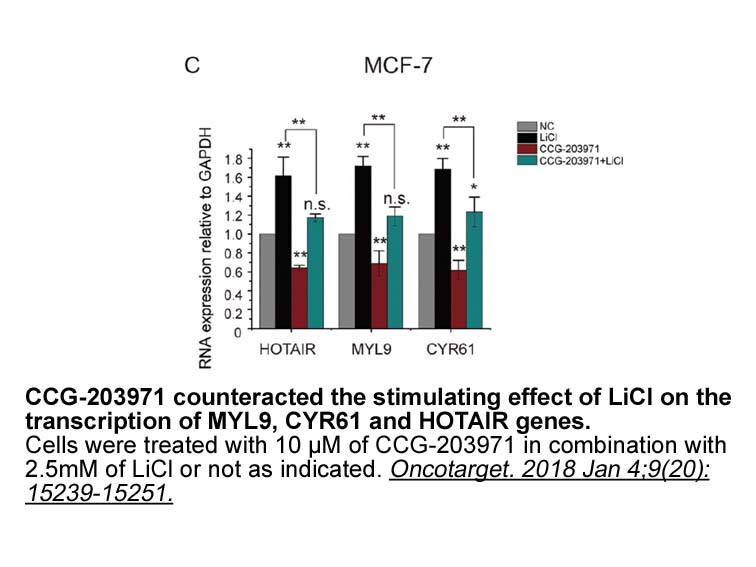
The assembly and maturation of invadopodia can be initiated by chemical stimuli such as the epidermal growth factor (EGF), as well as the mechanical signals from extracellular matrix (ECM). Upon binding, EGF activates the EGF receptor (EGFR), which further activates several intracellular signaling p
-
br Endothelial mechanotransduction br Apoptosis
2020-10-23
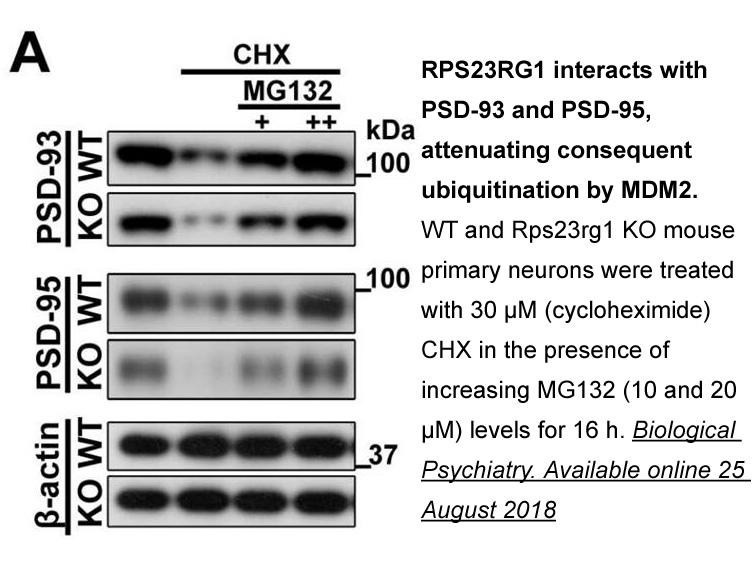
Endothelial mechanotransduction Apoptosis Death associated protein kinase Conclusion DAPK is localized to the ibuprofen solubility network, and promotes actomyosin contractility. DAPK stabilizes stress fibers by phosphorylation of MLC (Bialik et al., 2004, Kuo et al., 2003). In endothel
-
To further determine the cell death the
2020-10-23
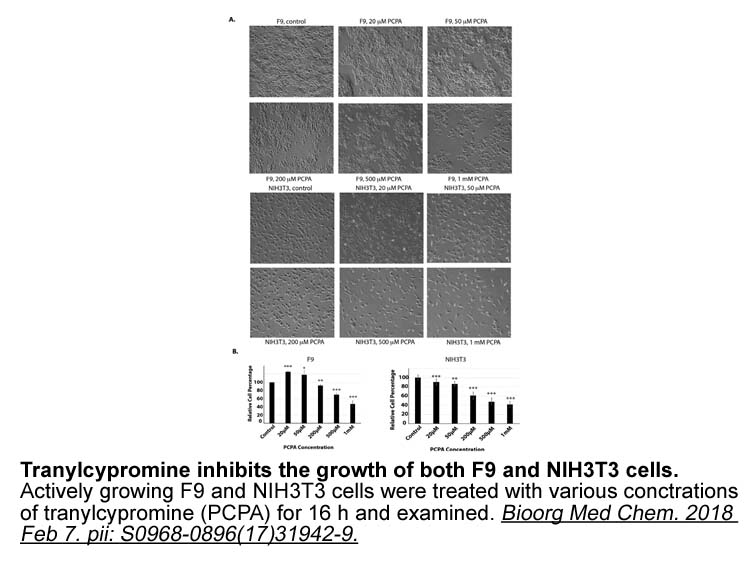
To further determine the cell death, the YM178 in flasks were harvested after OGD or LTD4 treatment, washed twice with PBS, and evaluated with Annexin V (AV)-FITC apoptosis detection kit I (BD Biosciences Pharmingen, USA) on a flow cytometer (FACSCalibur, Becton–Dickinson, USA). Briefly, 106 cells p
-
br Discussion Our data demonstrate that the bicyclam
2020-10-23

Discussion Our data demonstrate that the bicyclam AMD3100 strongly interacts with CXCR-4, whereas DS and AR177, two other compounds that also interfere with virus entry into the 1-Azakenpaullone (and interfere with virus binding), do not. AMD3100 is a unique compound in that it interferes with t
-
While a growing body of knowledge
2020-10-23
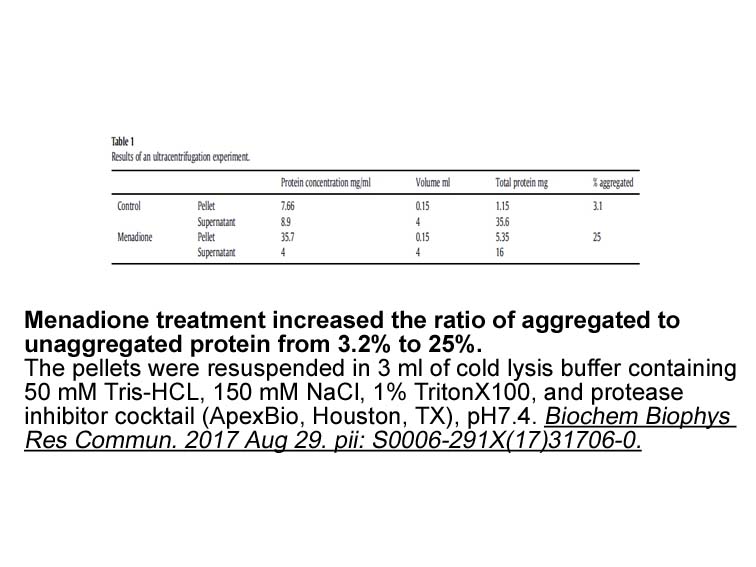
While a growing body of knowledge demonstrates the importance of COX-1 and COX-2 accompanied with neuroinflammation in altitude related conditions. In fact, PGE2 has been widely thought to promote the neuronal inflammation and degeneration in many neurological maladies (Griffin et al., 2013, Jiang a
-
Although PGD was initially considered to elicit its
2020-10-23

Although PGD was initially considered to elicit its biological actions through a classical PGD receptor (DP1), later findings suggested that several PGD-mediated actions of eosinophils arise via DP2,, which is also known as CRTH2 (chemoattractant receptor-homologous molecule expressed on Th2 cells)
-
The synthesis of tricyclic analogs is described in Scheme Ox
2020-10-23

The synthesis of tricyclic analogs 28–33 is described in Scheme 3. Oxidative C–C bond cleavage of the terminal olefin of 39i afforded a tricyclic product 52 without isolation of an aldehyde expected as an intermediate. Aminolysis of the chloride 52 with optionally substituted anilines afforded 28–30
-
br Conclusions Taken together a
2020-10-23

Conclusions Taken together, a distinct contrast is observed between ERK1/2 phosphorylation in hypothalamic and extra-hypothalamic Sodium salicylate synthesis regions. The hypothalamus is the only brain region where ERK1/2 phosphorylation was increased 15minutes after the OF stressor. In SD rats
-
Nicotine is the main psychoactive component of tobacco that
2020-10-23
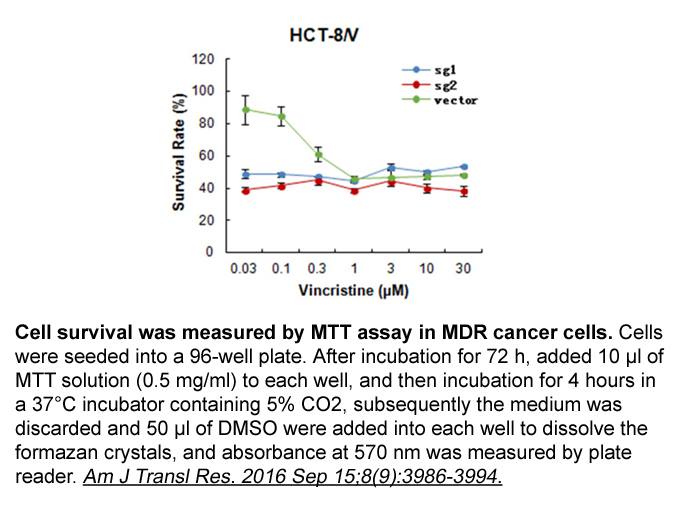
Nicotine is the main psychoactive component of tobacco that causes addiction. Besides the regulation of the stress responses, CRF has been implicated in nicotine addiction based on several lines of evidence (Bruijnzeel and Gold, 2005, Sarnyai et al., 2001). First, acute administration of nicotine, l
-
Several functions of FAT have been suggested It has
2020-10-22
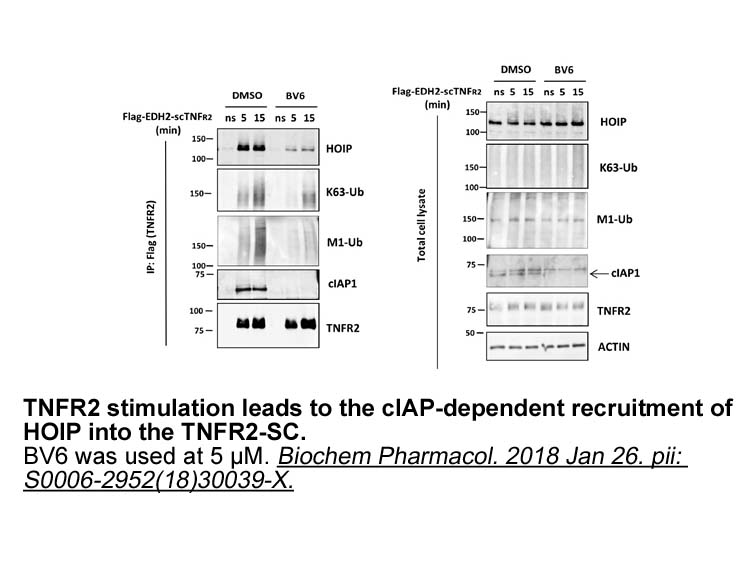
Several functions of FAT10 have been suggested. It has been shown that FAT10 binds noncovalently to the mitotic spindle checkpoint protein MAD2 and that this binding might cause chromosome instability in the cancer trp channels overexpressing FAT10 (Liu et al., 1999, Ren et al., 2006). In other stu
-
In brief while previous studies have evaluated the individua
2020-10-22
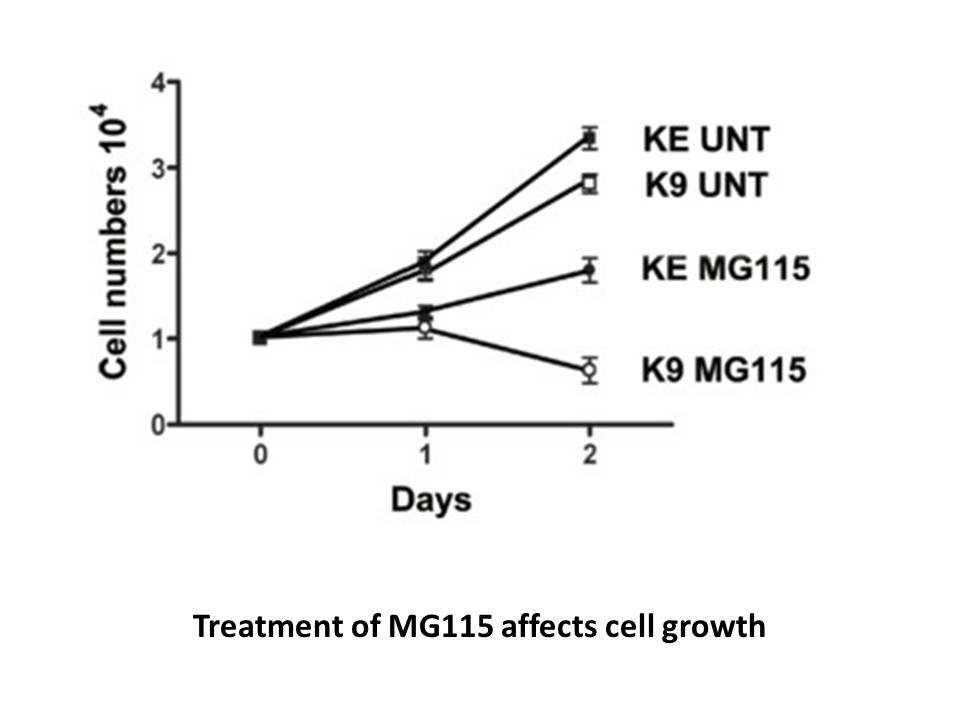
In brief, while previous studies have evaluated the individual roles of VDR and ER signaling pathways in breast cancer, in the present study we performed an in silico approach for comparative evaluation of these pathways. Considering the complex interaction networks in the context of cancer, such co
17051 records 824/1137 page Previous Next First page 上5页 821822823824825 下5页 Last page