Archives
- 2026-01
- 2025-12
- 2025-11
- 2025-10
- 2025-09
- 2025-03
- 2025-02
- 2025-01
- 2024-12
- 2024-11
- 2024-10
- 2024-09
- 2024-08
- 2024-07
- 2024-06
- 2024-05
- 2024-04
- 2024-03
- 2024-02
- 2024-01
- 2023-12
- 2023-11
- 2023-10
- 2023-09
- 2023-08
- 2023-07
- 2023-06
- 2023-05
- 2023-04
- 2023-03
- 2023-02
- 2023-01
- 2022-12
- 2022-11
- 2022-10
- 2022-09
- 2022-08
- 2022-07
- 2022-06
- 2022-05
- 2022-04
- 2022-03
- 2022-02
- 2022-01
- 2021-12
- 2021-11
- 2021-10
- 2021-09
- 2021-08
- 2021-07
- 2021-06
- 2021-05
- 2021-04
- 2021-03
- 2021-02
- 2021-01
- 2020-12
- 2020-11
- 2020-10
- 2020-09
- 2020-08
- 2020-07
- 2020-06
- 2020-05
- 2020-04
- 2020-03
- 2020-02
- 2020-01
- 2019-12
- 2019-11
- 2019-10
- 2019-09
- 2019-08
- 2019-07
- 2019-06
- 2019-05
- 2019-04
- 2018-11
- 2018-10
- 2018-07
-
Canagliflozin solubility Following the relationship model ad
2019-07-17

Following [20], [22], the relationship model adopted in this Canagliflozin solubility work to estimate the time to failure is the Inverse Power Law (IPL): Where L is the SUT life characteristic (e.g. the mean time to failure), s represents the stress level, while k and w are model-related parameter
-
gsk3 inhibitor CRF and urocortin produce marked effects on t
2019-07-16
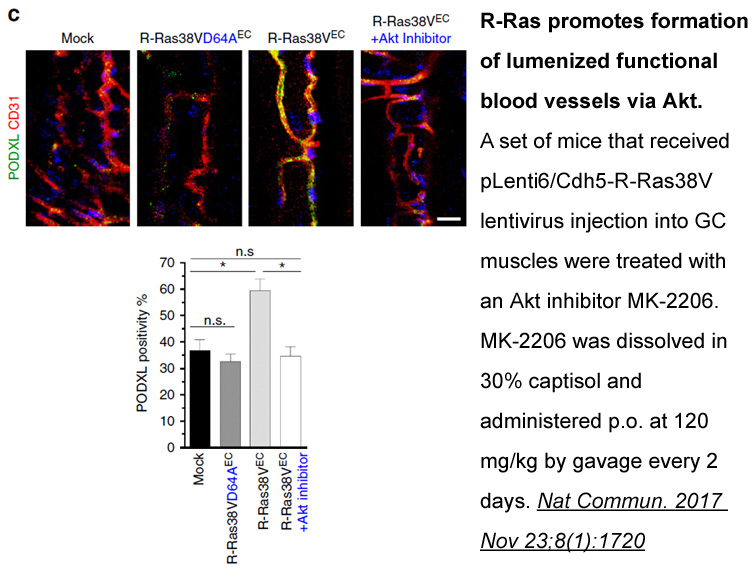
CRF and urocortin 1 produce marked effects on the gsk3 inhibitor when administered both i.v. or directly into the CNS (Parkes et al., 2001). Systemic i.v administration of CRF and urocortin 1 cause a marked and long-lasting reduction in mean arterial blood pressure in rats Briscoe et al., 2000, Law
-
There have been two reports of tumor shrinkage in
2019-07-16
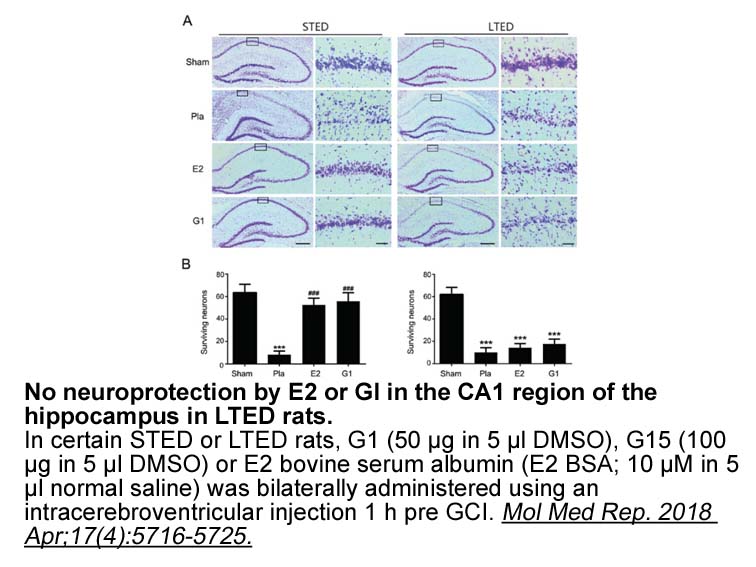
There have been two reports of tumor shrinkage in response to dasatinib treatment in lung SCC patients harboring the DDR2 kinase domain S768R mutation., In the first case described by Hammerman et al. a combination of erlotinib (an epithelial growth factor receptor inhibitor) and dasatinib was admin
-
br Expression and Purification of
2019-07-16
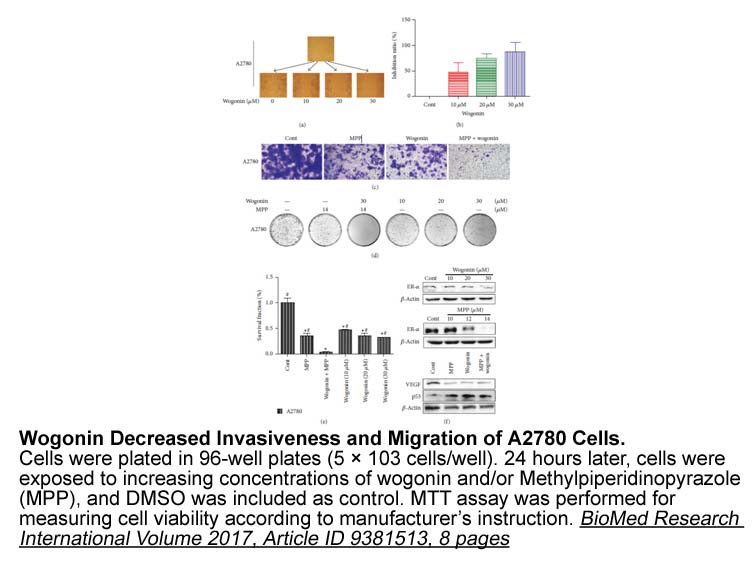
Expression and Purification of Atg4 and Atg8 Proteins for In Vitro Assays Measurement of Atg4 Activity In Vitro and Ex Vivo Kinetics Analysis of Atg4 Enzymes Summary Atg4 proteases play a crucial role in preparing Atg8 for conjugation to lipid membranes and for the deconjugation of Atg8
-
The identification of CRF receptor subtypes has led
2019-07-16

The identification of CRF Exemestane for subtypes has led to a number of studies addressing its functional properties. This paper examines the evidence for CRF1 and CRF2 mediation of fear and anxiety. Recent reviews discussing specific CRF receptor functions associated with other conditions includi
-
JNJ-10198409 Haggar et al reported the synthesis of two
2019-07-16
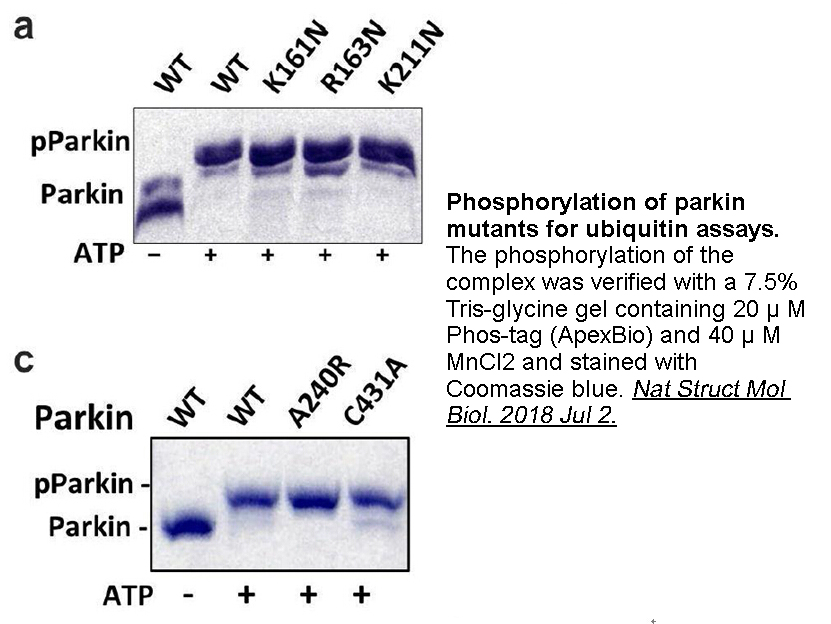
Haggar et al. reported the synthesis of two new series of 8-(2-imino/oxo/thioxo pyrimidin-4-yl)-4-methyl-6-nitro-2-oxo-2H-chromen-7-yl benzoates 56 (X=O, S, NH) and 8-(pyrazol-3-yl)-4-methyl-6-nitro-2-oxo-2H-chromen-7-yl benzoates 57 [Y=C(O)CH3, 2,4-(NO2)2C6H3]. The 8-acetyl-4-methyl-6-nitro-2-oxo-2
-
We then analyzed Ki proliferation index as a categorical var
2019-07-16
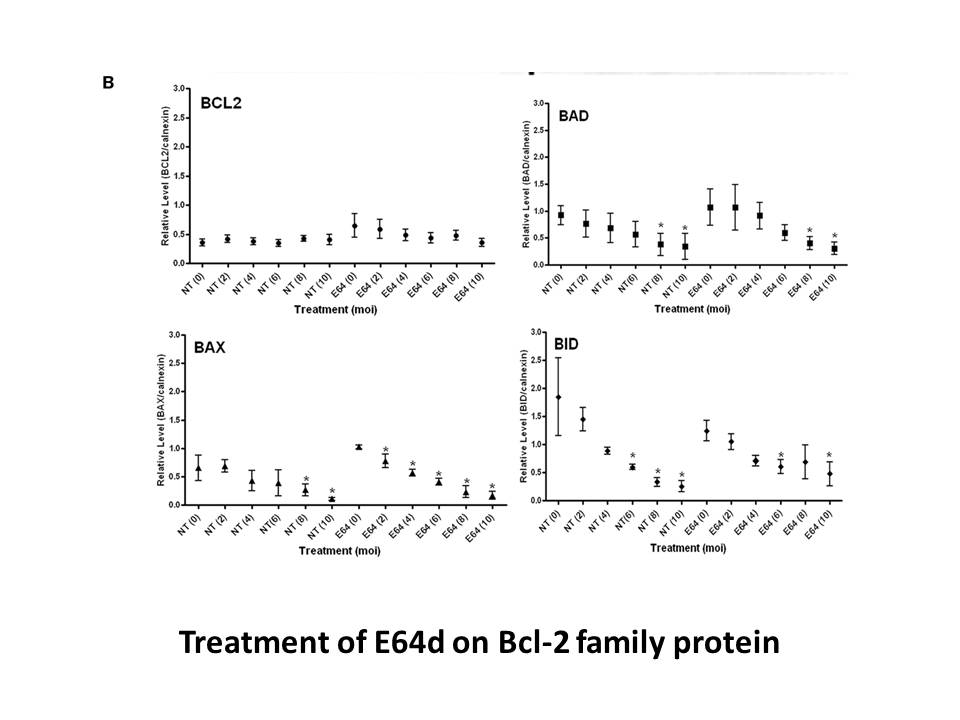
We then analyzed Ki-67 proliferation index as a categorical variable by using 15%, essentially the median Ki-67 value in the entire study group (see above), to delineate low and high proliferation subgroups. By Fisher\'s exact test, both the type 1 versus non-type 1 EWS-FLI1 comparison (P = 0.047; T
-
Fujimoto et al pointed out that
2019-07-16
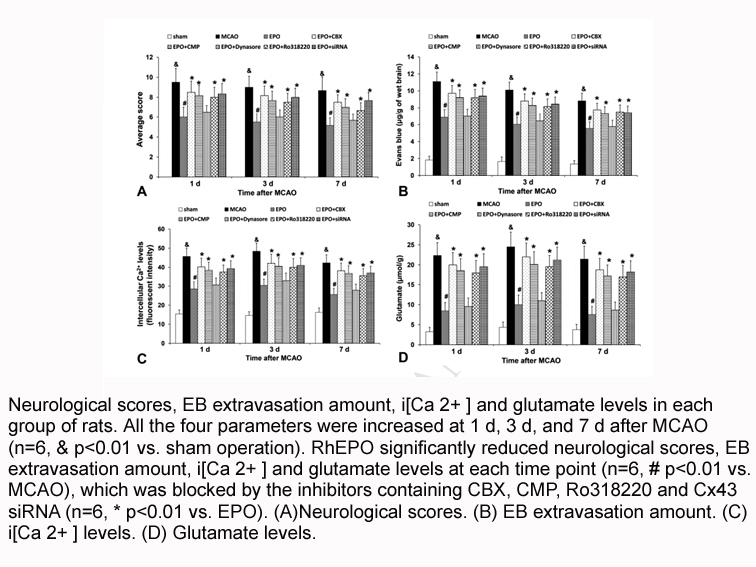
Fujimoto et al. pointed out that RPN2 knockout alleviated the resistance of GC Phosphatase Inhibitor Cocktail 1 (100X in DMSO) (MKN74 and KATO III) to docetaxel and DDP [23]. Yuan et al. demonstrated that the depletion of RPN2 resulted in the reduction in resistance of GC cells to drugs such as iri
-
Obviously there are some limitations in our study due to
2019-07-16
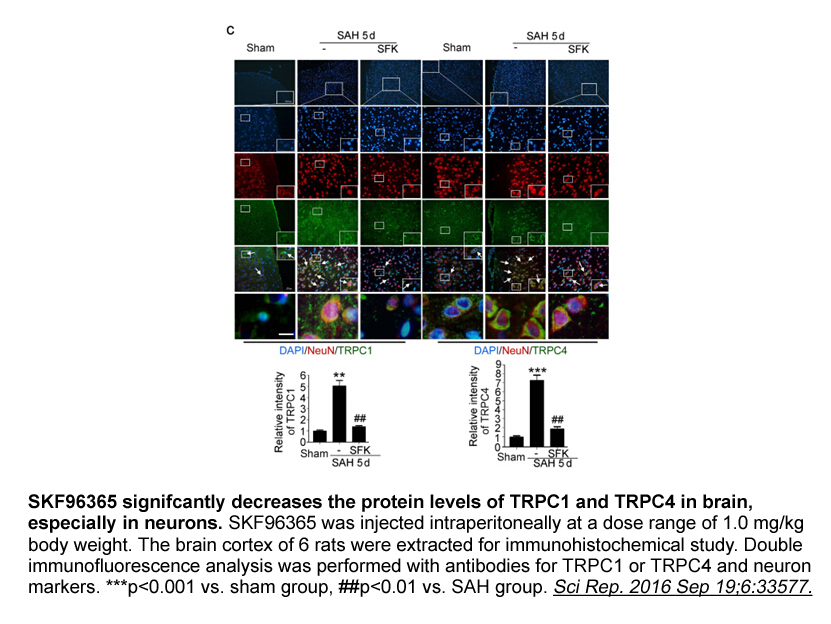
Obviously, there are some limitations in our study; due to sample constraints, we had to focus our efforts on one specific T cell epitope from one candidate autoantigen. Optimally, we could have studied several different peptides in parallel. Additionally, all RA patients included in the study have
-
The two most important biological machineries controlling pr
2019-07-16
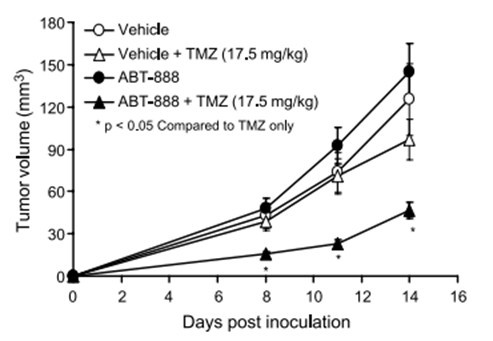
The two most important biological machineries controlling proteostasis, PQC, and degradation are autophagy and the ubiquitin-proteasome system (UPS) (). Autophagy is a lysosome-dependent, tightly regulated catabolic process that degrades unwanted cell organelles and cytoplasmic constituents in lysos
-
br Acknowledgements E B was supported by grant mol a
2019-07-16
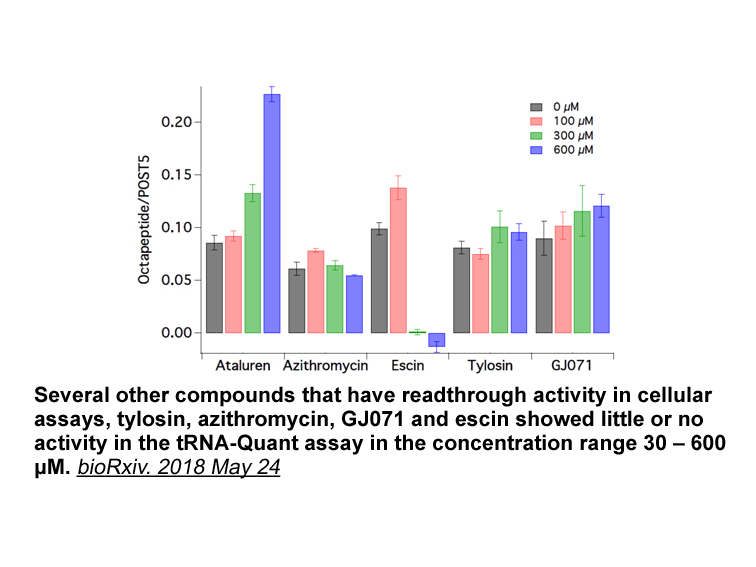
Acknowledgements E.B. was supported by grant 16-34-60213 mol_a_dk from the Russian Foundation for Basic Research (RFBR). R.S. and A.V. were supported by grant of the President of Russian FederationMK-4253.2018.4. The work was performed according to the Russian Government Program of Competitive Gr
-
Our data supports the conclusion
2019-07-16
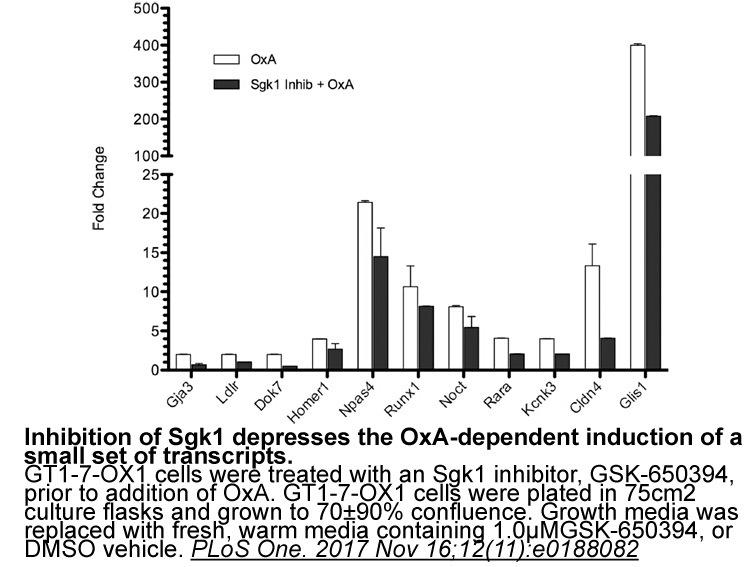
Our data supports the conclusion that the exonuclease activity thought to be intrinsic to Artemis is not a component of the Artemis polypeptide. Many possibilities exist to explain the presence of the exonuclease activity in less-pure fractions of Artemis. It is possible that the exonuclease is simp
-
There are a few visible DNA staining methods which
2019-07-16
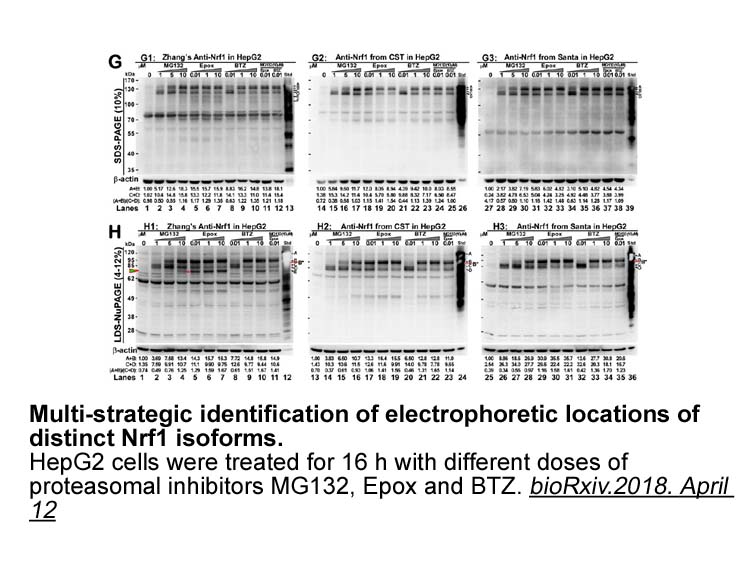
There are a few visible DNA staining methods, which use dyes such as methylene blue, brilliant cresyl blue [7], crystal violet [8], Nile blue [9], [10] and ethyl violet [11]. However, although safe, these methods require long staining times, lack sensitivity and are not specific for nucleic acids.
-
Our finding that VEGF A induced downregulation of EphB is
2019-07-15
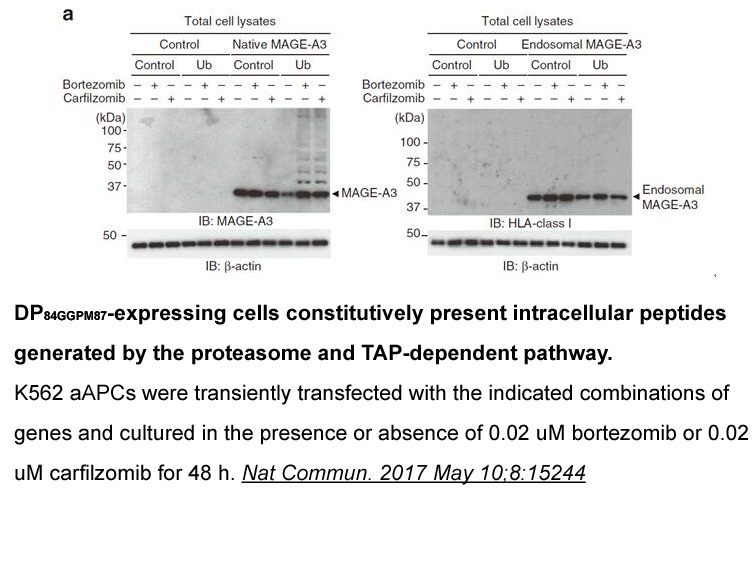
Our finding that VEGF-A induced downregulation of EphB4 is VEGFR2 dependent (Fig. 4A) is not surprising because VEGFR2 is the primary signaling receptor of VEGF-A in EC [34]. However, our finding that VEGF-A induced upregulation of dll4 N-Benzylacetamidine hydrobromide is not inhibited by VEGFR2 inh
-
Little information is available regarding the expression
2019-07-15
Little information is available regarding the expression of the different EP receptor subtypes on human monocytic cells, particularly those that are involved in downregulating cytokine production. The receptors are controlled by the respective genes for each receptor i.e. PTGER1–PTGER4 for EP1–EP4 r
16712 records 1042/1115 page Previous Next First page 上5页 10411042104310441045 下5页 Last page